BOKK Library:
About the ‘BOKK Library’
The problem is ‘pedagogy’: how we communicate our values not just to the public, but to our successors in this struggle, within a society where information and public dialogues are being subjected to machine-based manipulations to serve lobbies who do not share our values.

This is the FFree Range Network’s ‘Boundless Organized Knowledge Kit’: an information toolkit without purpose, without limitation, but with a specific radical frame – intended to raise people’s capacity to interpret the world around them and act to change their relation to it.
Never before has humanity had such a capacity for widespread and direct communication, and yet this has not brought about pressure for wider social change or created more organized social movements. If anything, certainly in the most ‘developed’ economies, these technologies have fractured society’s cohesion – lost in a morass of algorithmically-created distraction, and framed within a dialogue of ‘fear, uncertainty, and doubt’, many people have lost their ‘natural compass’ to navigate through current events.
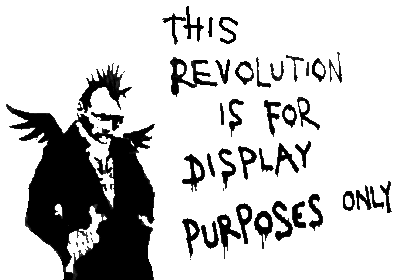
The world we now inhabit is dominated by a secular religion – ‘liberal economics’: a make-believe world of political and economic assumption, which only serves the minute population of the globally affluent who benefit from it, via its self-justifying technocratic bureaucracy that perpetuates human exploitation, inequality, and immiseration.
Yet, as never before, and despite the wonderful new communications technologies we possess, this unjust system is not open for political debate or negotiation by those subject to it.
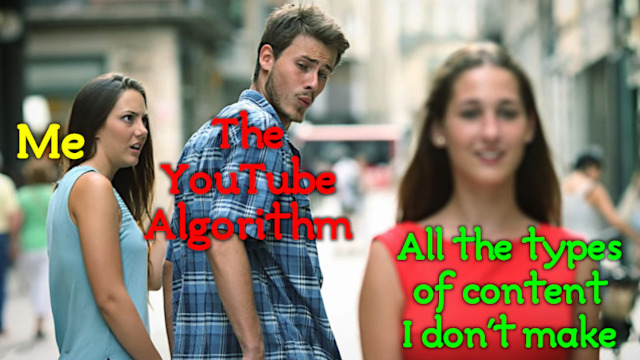
The advent of social media effectively filtered what people communicated: burying controversial or critical comments via the moderating algorithm, while simultaneously hyping the vacuous and pointless content which reinforces the dominant agenda, and thus negating the radical ‘free communication’ message the Net’s early promoters in the 1980s and 1990s desired. Before algorithms dominated communication, there was an element of human agency within electronic communications; now that algorithms dominate what is commonly seen, and what can/will be promoted, humans have no direct communication, and instead those who control the platforms and algorithms decide the issues and agendas which receive mass attention.
This process has only been made worse with the advent of addictive smartphones and wireless communications, which can microtarget people’s weaknesses in order to distract and/or exploit their economic or political choices. Now that technology is so invasive of people’s every waking moment, we need laws to protect them from unfair hassle from their workplace, and restrictions to prevent teens wrecking their mental health. Quite literally, ‘when the phones were tethered by wires, people were free’.
Circumventing this manipulation of the public’s perception requires that we offer differing interpretations and explanation to this dominant narrative… That is why we created ‘BOKK’.
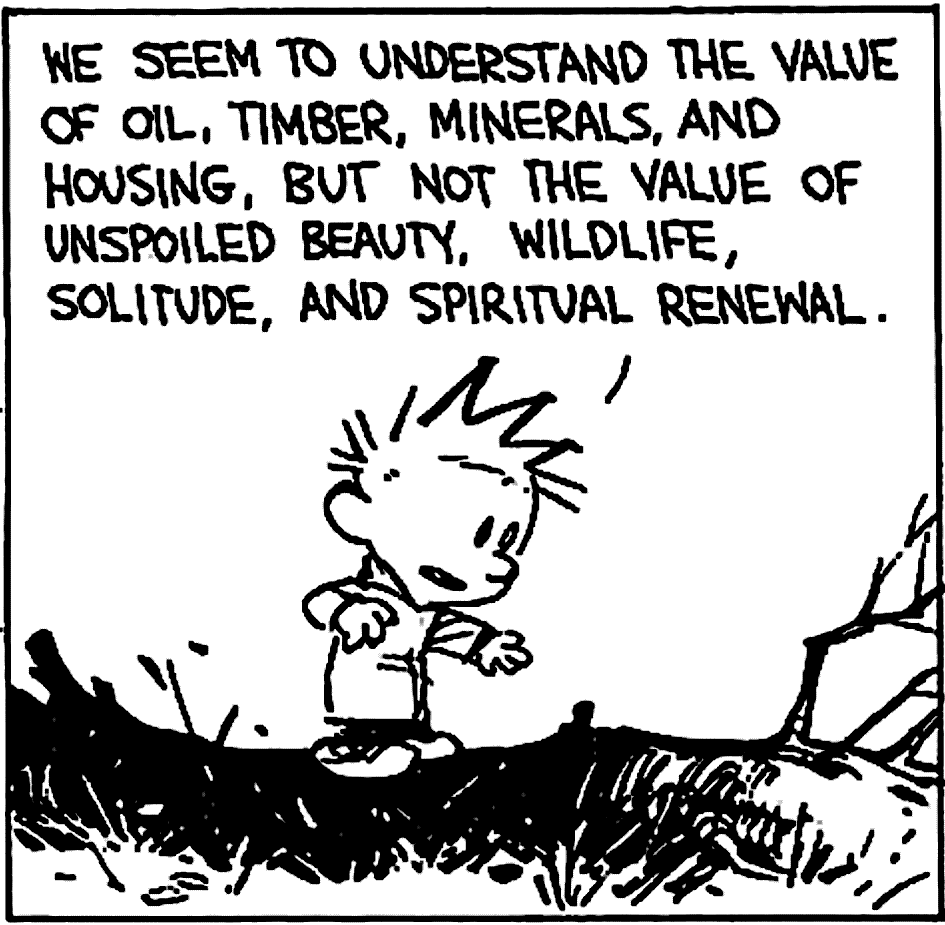
Thirty years ago, the Free Range Network formed with the objective of fighting the new economic imperatives of neoliberalism from hobbling the activities of environmental and social movements in Britain. We failed. Our warnings about abandoning the deep ecological roots of ecological reality were ignored.
Today what passes for radical change has been bound-up in consumer-friendly and aspirational agendas, and inextricably tied to the consumption process itself, which negate calls for the types of change that could address ecological and social degradation. Our determination today is that ‘compromise’ is complicity: never before has the phrase, ‘be reasonable, demand the impossible’, rang so true. We are being subjected to the will of an economic suicide cult, enabled by new technologies that confer ever-greater centralizing power to economic elites, who appear hell-bent on driving a seemingly neofeudal political agenda.
There is only one response: to reject this technocratic edifice through direct communication, person-to-person; to create the alternative options we desire via our own, independent mechanisms. In a world driven by digital demagogues, where we live in the real world and yet people’s attention is distracted by the screen in their hand, the only rational response is to ‘switch off the device’.
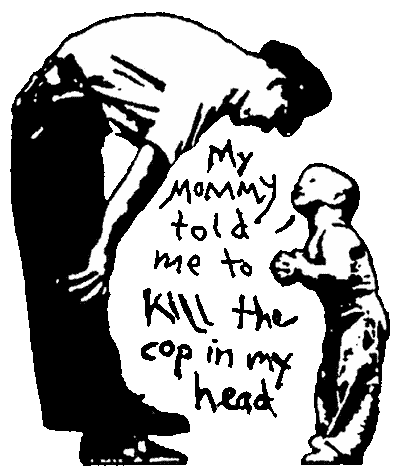
For many, clearly, this is simply not possible: they lack the skills, and even the descriptive language, too usurp the technological control this ‘economic suicide cult’ exerts over their lives – so we must create this, and freely share it, ourselves!
We need a radical, deeply ecological, ‘low-tech’ pedagogy for change; yet in the interim, ‘the machine’ is the easiest way to communicate this – and so the Free Range Network has overhauled its work to create the ‘BOKK Library’.
The critical act we require our readers to take is to use this content outside the boundary of ‘the machine world’; acting independently to create, first, new ways of thinking and perceiving the world, and then, new social structures to support our lives.
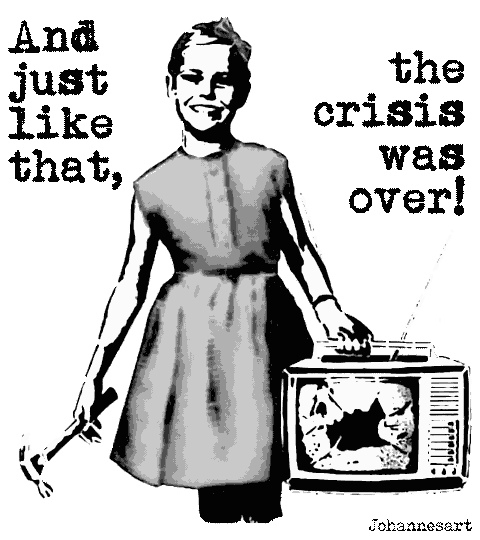
In 2024 the Free Range Network marked thirty years together. Looking back at all those events, we felt it necessary institute a ‘radical’ rethink of our on-line presence. The result was the ‘BOKK Library’, a toolkit of resources to support our wider ‘off-line’ efforts, and marking a return to the kinds of work we carried out in the 1990s and early 2000s – before people’s perceptions were warped by on-line algorithms.
In the current political environment we have to take a radical stance on current events because we have gone past the point of half-measures and tokenism. Today, only ‘radical’ responses, directly tacking the root-causes of ecological and social degradation, are a realistic response to preserve our natural environment and the human communities who are a subset of that whole.